Handling the Wild Side: A Designer's Review of the Puma Cross Stitch Pattern
As someone who stitches designs onto products day in and day out, I see a lot of wildlife patterns. When I opened the Pattern Cross Stitch Wild World, Puma, I was immediately struck by its mood. This isn't a cute, cartoonish animal; it’s a confident, stylized portrait with a quiet intensity. The layout feels bold and graphic, perfect for projects that need a statement piece without overwhelming detail. It naturally belongs to that category of embroidery designs that straddle the line between modern decor and timeless gift.
The Puma in Practical Action: Where This Design Finds Its Home
I was evaluating this pattern while preparing a batch of custom tote bags for a small boutique client. They wanted a design that felt earthy and strong, but not aggressive. This puma fit perfectly. On a natural canvas tote bag, the 10 x 13 inch finished size suggested by the pattern specs commands attention without dominating the entire bag face. It’s a size that works beautifully on larger handmade products like pillow covers or tea towels, creating a central focal point. For apparel, like a sweatshirt or a durable apron, the scale is substantial enough to feel like a premium feature, not a tiny accent.
Thinking through various craft business applications, this pattern’s graphic nature makes it exceptionally versatile. For an Etsy seller creating nursery decor, it offers a sophisticated alternative to typical baby motifs. As a holiday embroidery gift—perhaps a framed piece for a nature lover—it carries a personalized weight that generic gifts lack. Its clean lines also lend themselves well to being adapted into an embroidered patch, given the solid areas of color described by the 21-color palette.
Navigating the Stitching Terrain: Points of Careful Consideration
My practical judgment always turns to how a design will perform in the real world of needles and thread. The pattern’s specified stitch count (150w x 187h on 14 count Aida) indicates a reasonably dense fill. This isn't a sparse, open design. That density is wonderful for visual impact and color richness on a stable fabric like the suggested white Aida 14. However, it demands careful planning on other surfaces.
On stretchy fabric like a t-shirt or on dark fabric where you might need to switch fabric type, you must use a proper stabilizer and potentially test the stitch density on a scrap first to prevent puckering. The design’s size makes it unsuitable for small hoop sizes meant for caps or baby clothes sleeves; it's a centerpiece, not a corner accent. When considering custom apparel like sweatshirts, the 10 x 13 inch area needs a flat, sizable section of the garment. Avoid curved surfaces like caps unless you are dramatically scaling down, which would lose the graphic detail.
Regarding the 21 colors: this level of color variation is a strength for visual depth, but it requires organization. For a small shop product where efficiency matters, pre-sorting your threads is key. The detail level seems focused on the animal’s form rather than tiny background elements, which is a relief—it means the finished product will maintain clarity even after washing, a crucial point for products like kitchen towels or blankets.
How This Pattern Elevates Your Project Value
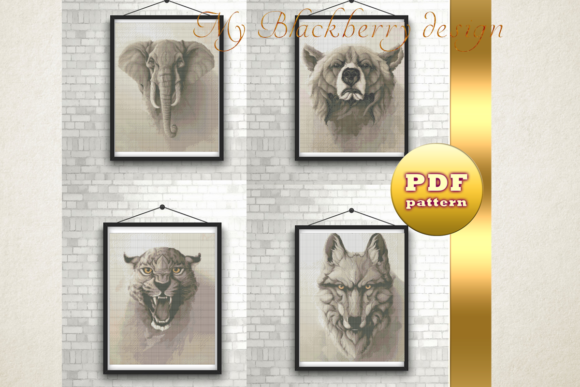
From a professional standpoint, using a design like Pattern Cross Stitch Wild World, Puma affects more than just aesthetics. It influences customer trust and perceived value. A well-executed, bold wildlife motif on a tote bag or pillow suggests craftsmanship and intentional design choices. It moves the item from a simple handmade product to a specific branded merchandise piece, especially if you curate a collection with the other animals in the Wild World series.
For personalized gifts, it offers a canvas for customization—perhaps adding a name or date in a complementary font nearby. Its recognizability as a powerful animal creates immediate engagement, making it stand out at a craft fair or in an online printable mockup. The clean, graphic execution also translates well into digital product previews if you are a digital product seller offering the stitched item as a made-to-order service.
A Designer's Notebook: Pre-Stitching Checks
Before I commit any design to a final client project, I run through a mental checklist. For this puma pattern, here’s what I’d do.
- Test on Scrap Fabric: Always stitch a key section, like the face, on a scrap of your target fabric (even if it’s not white Aida 14) to check thread color contrast and fabric behavior.
- Confirm Your Hoop Size: The pattern suggests a finished size. Ensure your physical hoop can accommodate the working area comfortably.
- Inspect the Small Details: Look closely at the pattern PDF for any intricate corners or potential confetti stitches (isolated single stitches) in the 21-color scheme that might need special attention.
- Background Mockups: Test the design visually in both light and dark background mockups. A graphic design like this can pop on dark fabric but may require different fabric choices.
- Licensing & Commercial Use: This is critical. The product is described as a PDF pattern, a digital download. While it’s a digital embroidery file, you must confirm the licensing terms before selling finished items or using it in commercial embroidery projects. Never assume.
Ultimately, Pattern Cross Stitch Wild World, Puma is a design asset that brings a confident, graphic energy to your work. It’s suited for makers who want to create items with a clear, modern wilderness theme. It performs best when treated as a central hero piece on stable fabrics and thoughtfully integrated into your product line or gift project. Handle the density with care on stretchy materials, respect its size, and this puma will stand proud on your finished work, elevating both the item and the craftsmanship behind it.